
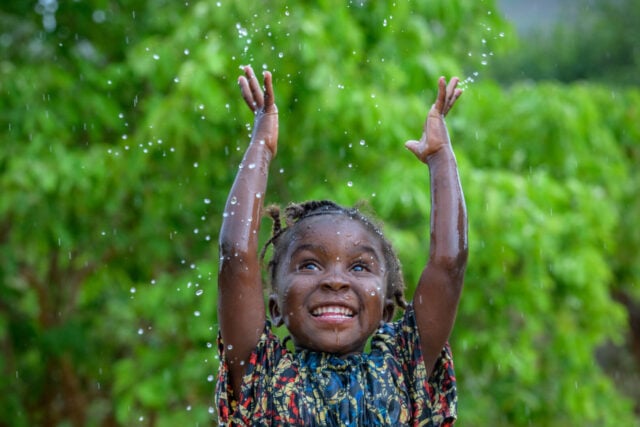
A past fearful of children drowning no longer exists in a Zambian community. That changed with the arrival of World Vision-drilled wells. Now a young mother and her community no longer fear water-borne illness or sending children to collect water.
News & Stories
Clean Water Stories
Voices
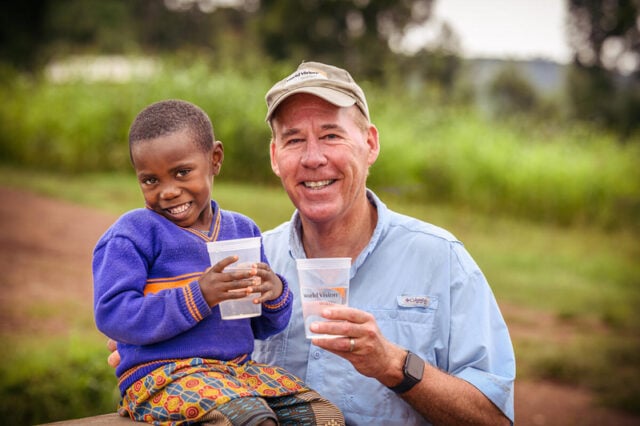
“Thirsty for a Miracle”: Q&A with water expert and author Dr. Greg Allgood
Dr. Greg Allgood has spent his career working to help the global water crisis at P&G and World Vision. His new book, Thirsty for a Miracle, shares his journey in the work and in his faith, and proceeds benefit World Vision’s global water work.
From the Field
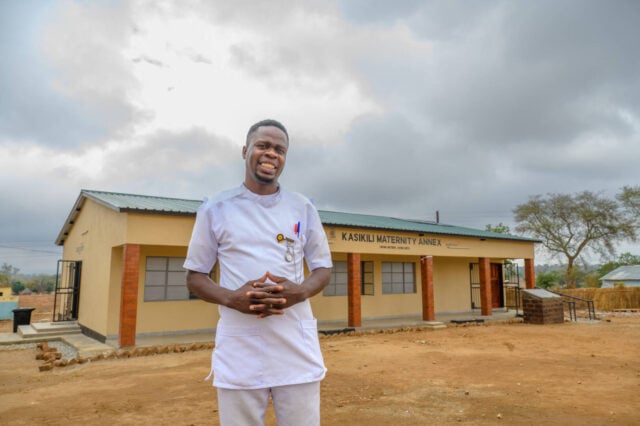
A nurse feels lucky when his clinic gets clean water
A nurse named Lucky didn’t live into his name when he first saw the new clinic in southern Zambia where he’d been assigned. It had no running water, a crumbling roof, and a bat infestation. But World Vision led refurbishing the initial clinic and building a new maternity ward, and they brought clean water into the community.
From the Field
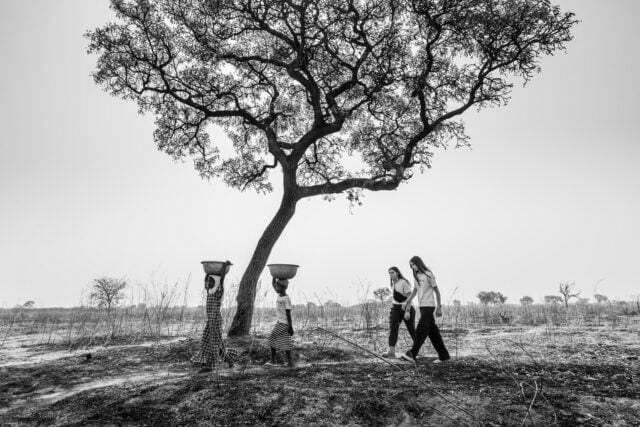
Eyewitness to need: Keeping a promise in Ghana
A mother and her two daughters take an unusual vacation to Ghana. They not only see the beauty of God’s earth, but learn how not having clean water stops progress for mothers and daughters just like them.
From the Field
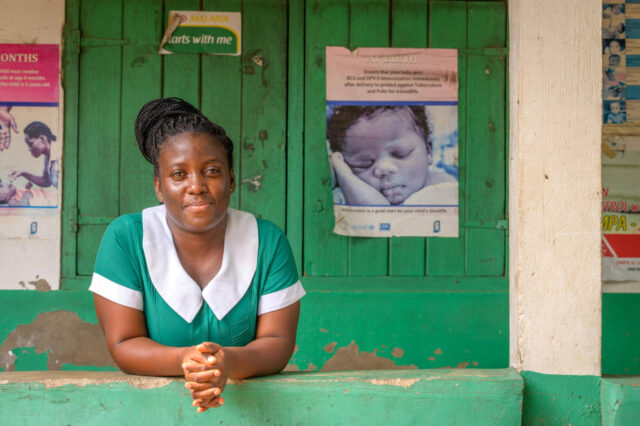
Two midwives, two experiences
Nearly 4 million Ghanaians lack clean water, a burden felt most in rural clinics where midwives like Mabel and Ramicah struggle to provide safe care. Their facilities depend on contaminated open dams, forcing staff and patients to collect unsafe water that contributes to diarrhea, typhoid, skin infections, and dangerous conditions for mothers and newborns. Water shortages often lead to early discharges, and caregivers themselves fall ill. Child mortality remains high, with many deaths linked to poor water and sanitation. A new mechanized water system installed by World Vision transformed Ramicah’s clinic — providing clean water, functional sanitation, and increasing patient attendance. World Vision is assessing similar solutions for Mabel’s community and aims to expand safe water access across Ghana, including to 500 schools and 200 health facilities, benefiting 700,000 people. Their stories underscore the urgent need for lasting clean water.
From the Field
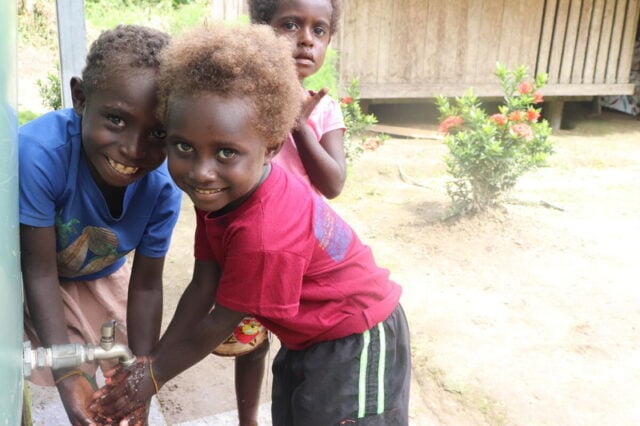
Catching rain and changing lives in Papua New Guinea
In Mamagota, Papua New Guinea, families once drank from a contaminated creek, causing frequent illness. A World Vision rainwater catchment system installed in 2023 now provides clean water, easing the burden on families and improving children’s health.
From the Field
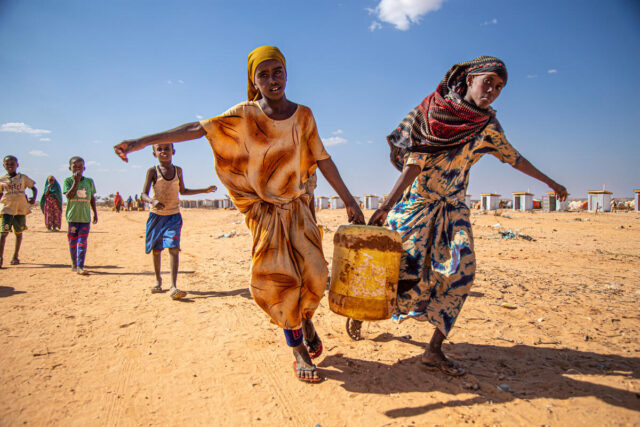
What you need to know about the global water crisis in photos and videos
The global water crisis affects millions of people, with 703 million lacking access to clean water. Explore this critical topic through powerful photos and videos captured by World Vision communicators, and learn how World Vision is responding.
From the Field
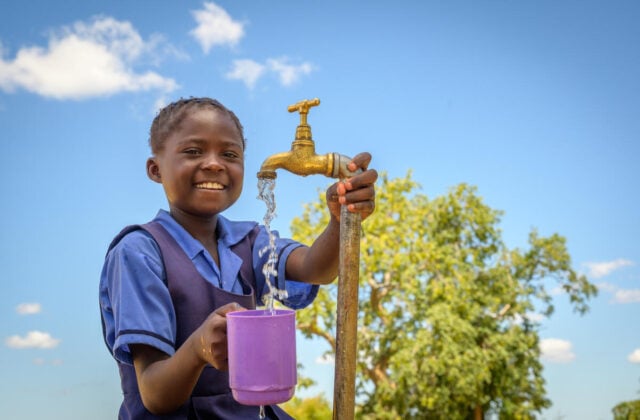
Global water crisis: Facts, FAQs, and how to help
Access to clean water is essential, yet the global water crisis means many people are struggling to get the quantity and quality of water they need. As the leading nongovernmental provider of clean water in the developing world, World Vision aims to reach 30 million people with clean water between 2023 and 2030. Learn key facts about water, how water scarcity impacts vulnerable communities, and how you can help end the global water crisis.
From the Field
For lasting change, just add clean water
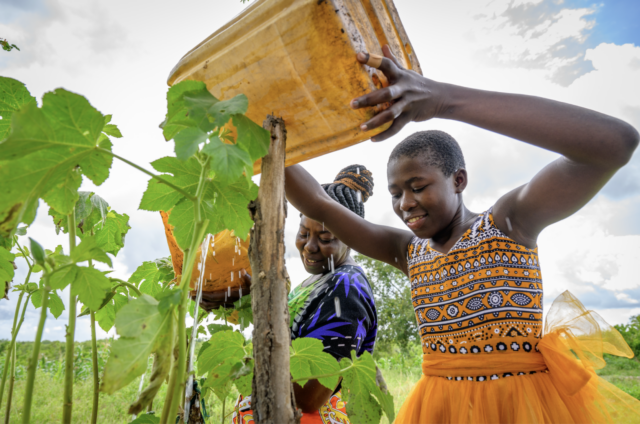
Access to clean water has completely transformed the lives of Grace and her mother, Margaret, in Kenya. It’s not only led to better health and hygiene but has also helped improve school attendance and even opened up new business opportunities.
From the Field
Too great a burden for a 12-year-old
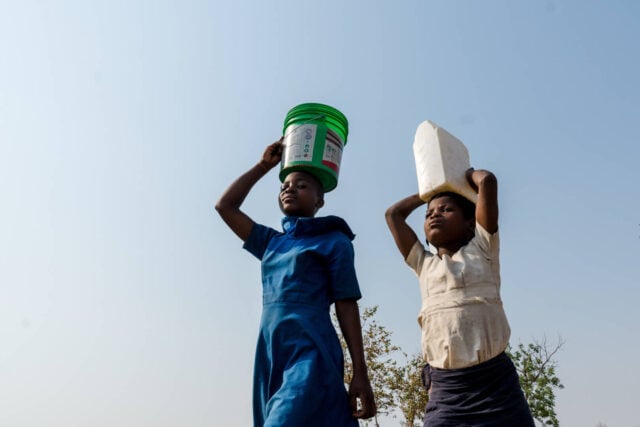
Single mother Esther from Malawi made the difficult choice to leave her three daughters alone to find work in Mozambique. She’s usually gone for three weeks at a time while she works to support the family. Her 12-year-old daughter, Faith, cares for her younger sisters by feeding them, washing clothes, and making the long walk to get water for the family.