Forced displacement affected an estimated 117.8 million people worldwide in 2025, driven by conflict, persecution, human rights violations, and instability, according to the United Nations Refugee Agency (UNHCR). The agency’s Global Trends report highlights that displacement remains widespread and protracted, with Sudan continuing to face one of the world’s most severe crises.
This marks the first overall decline in global forced displacement in more than a decade, down from 123.2 million at the end of 2024. The decrease was largely driven by millions of returns by refugees and internally displaced people, many of which occurred under adverse conditions rather than by conflicts having been fully resolved.
Other major displacement situations include Venezuela, Syria, Afghanistan, Ukraine, Myanmar, and the Democratic Republic of the Congo (DRC) — each facing complex emergencies that have uprooted millions of lives.
Below are six of the countries most affected by forced displacement, and discover how World Vision is responding. Figures are based on UNHCR Global Trends 2026 data reflecting conditions at the end of 2025.
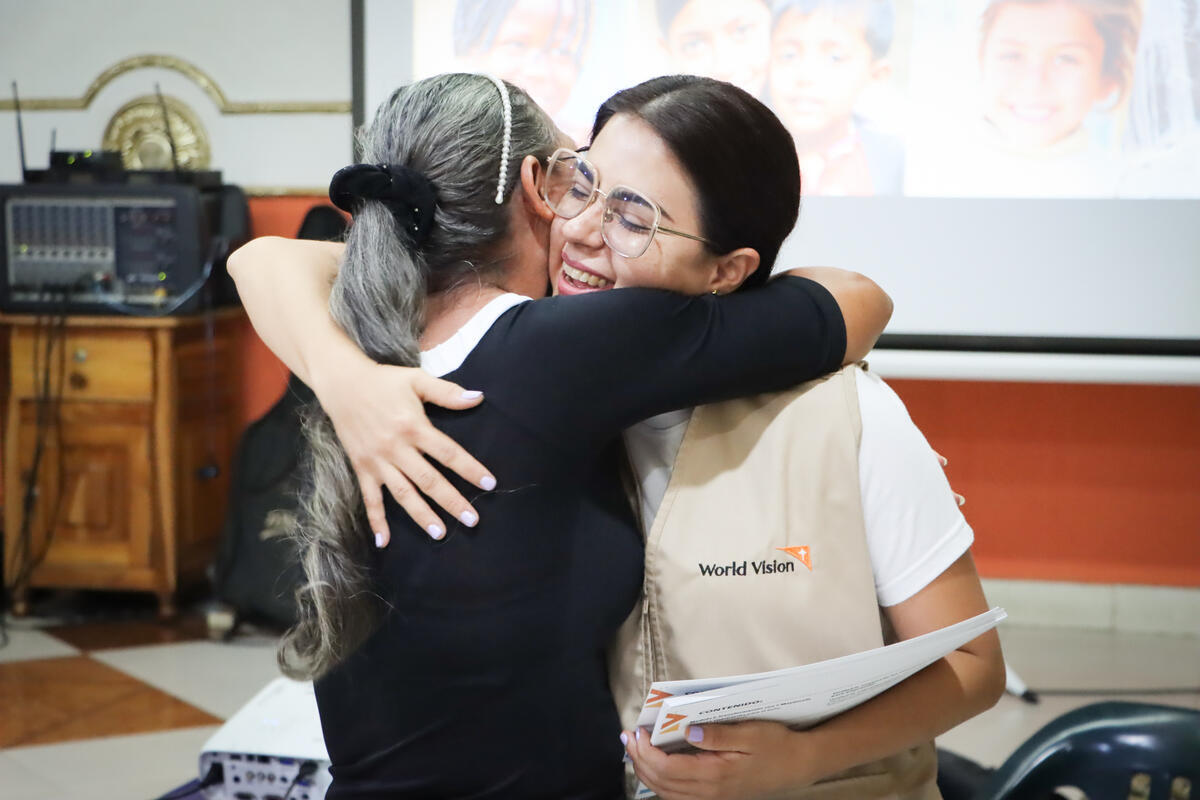
Venezuela — 6.5 million refugees and asylum seekers
Venezuela’s crisis has triggered one of the world’s largest displacement emergencies, with nearly 7.9 million people forced to flee since 2017 due to food shortages, lack of healthcare, and the search for safety and better opportunities.
By the end of 2025, approximately 6.2 million others required international protection.
World Vision is actively responding across the region, supporting children and families with nutritional aid, clean water, and access to essential health and education services in countries including Bolivia, Brazil, Chile, Colombia, Ecuador, Panama, and Peru.
Within Venezuela, we partner with local organizations to help families build a better future for their children. As of December 2024, our regional efforts have reached more than 2.58 million people. Our programs prioritize child protection, education, food security, clean water, sanitation and hygiene (WASH), and livelihood support to help communities recover and thrive.
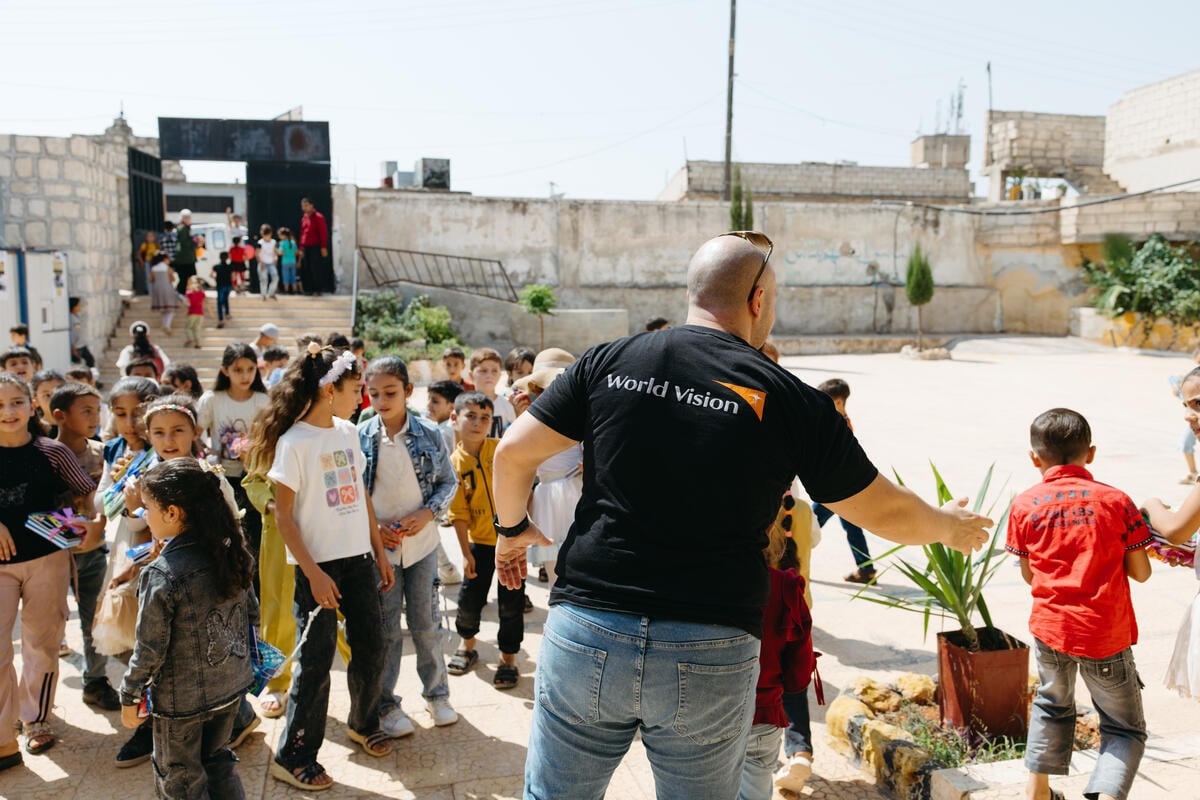
Syria — 4.9 million refugees and asylum seekers
Since 2011, conflict in Syria has driven millions from their homes, with the majority seeking refuge in neighboring countries across the Middle East. Turkey (officially the Republic of Türkiye) hosts the largest number of Syrian refugees, while others have sought safety in Lebanon, Jordan, and Iraq.
At the end of 2025, approximately 4.9 million Syrians remained refugees abroad. In 2025, about 1.3 million Syrians returned from neighboring countries following political changes in the country, although many still face damaged infrastructure, insecurity, and limited economic opportunities upon return.
World Vision has supported over 4.2 million people, prioritizing the well-being of children and families. After the devastating February 2023 earthquake, we launched more than 50 projects, including healthcare services, health and nutrition assistance, education programs, and psychological support sessions in schools, in partnership with local organizations. These critical efforts supported more than 1.8 million people.
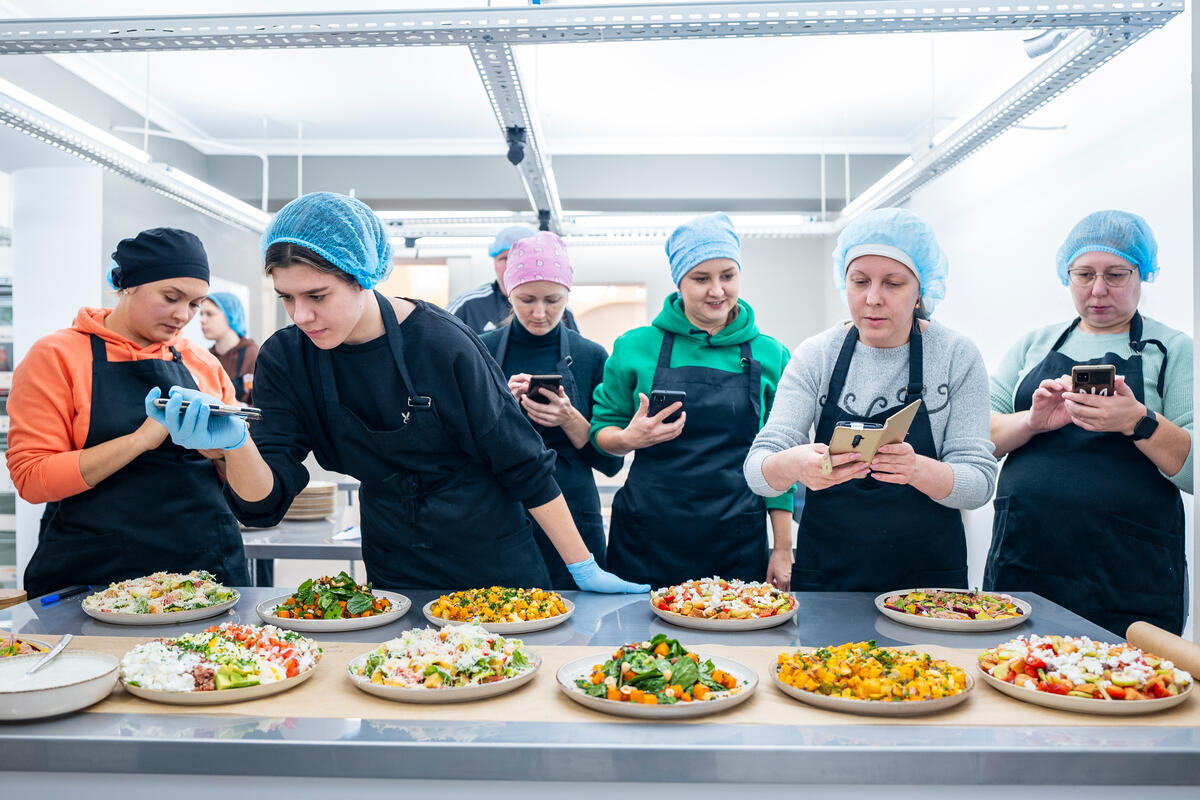
Ukraine — 5.9 million refugees
Since February 2022, millions of Ukrainians have been uprooted from their communities, despite hundreds of thousands of returns during the year. As of February 2026, 5.9 million refugees have been recorded globally.
World Vision has been responding since the first week of the crisis. In immediate response, our staff in the region aided refugees who had crossed the Romanian border, offering essentials such as food, shelter, cash assistance, and protection against trafficking.
In our ongoing response, we’ve partnered with churches and organizations to support displaced families in Romania, Moldova, Georgia, and Ukraine, along with their host communities. As of April 2026, our staff has supported over 2.35 million across the region with essential resources such as emergency food assistance, hygiene kits, child protection programs, and much more.
Our efforts in the region have expanded to include long-term support, such as psychosocial assistance and educational programs tailored to the needs of affected children and families.
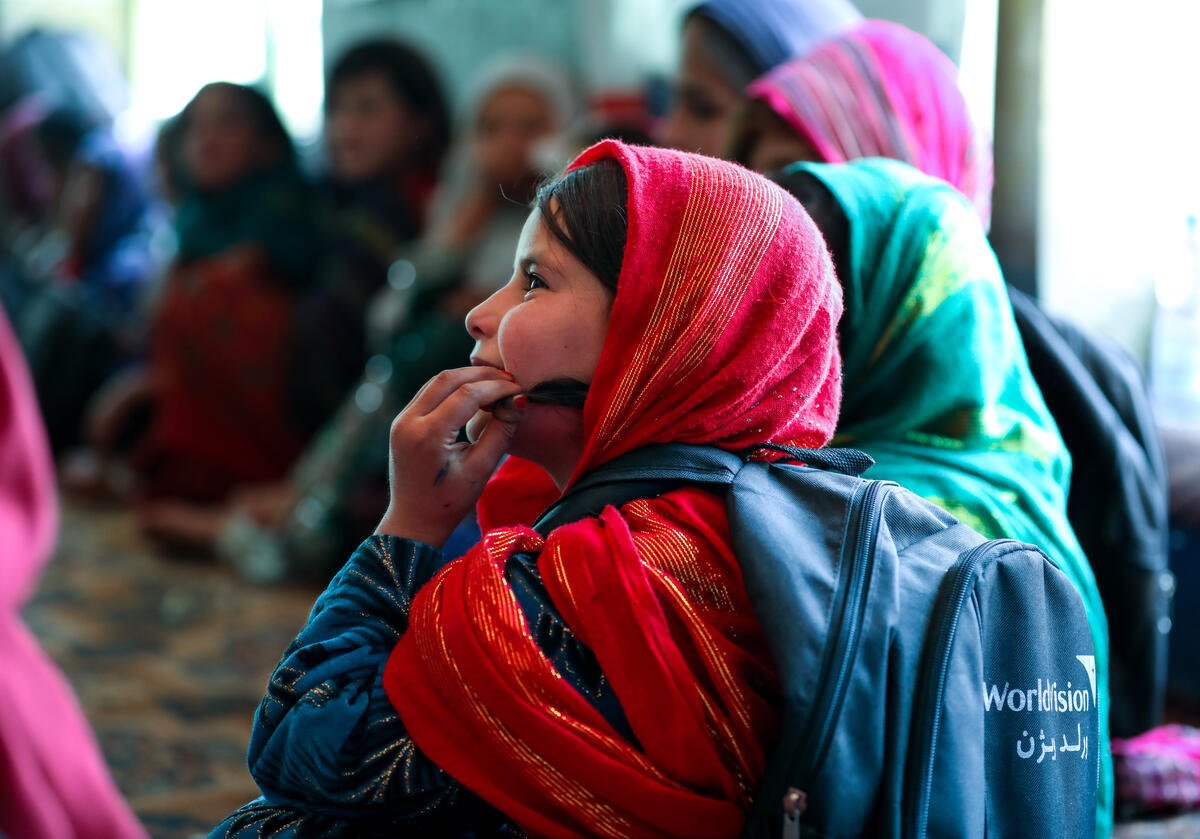
Afghanistan — 3.7 million refugees
Afghanistan remains one of the world’s largest and most protracted displacement situations. At the end of 2025, approximately 3.7 million Afghans remained refugees or in need of international protection, following large-scale returns during the year. Within Afghanistan, millions more remain internally displaced due to conflict, economic hardship, and climate-related shocks.
World Vision serves children and families in over 3,000 villages in the northwestern provinces of Badghis, Faryab, Ghor, and Herat. Through partnerships with local community leaders in Afghanistan, we’ve implemented programs to address crises and equip these impacted communities to create positive, sustainable change. In 2025, we reached over 1.1 million people, including 524,793 children, with food and nutrition assistance, healthcare, child protection, and access to clean water, improved sanitation, and hygiene support.
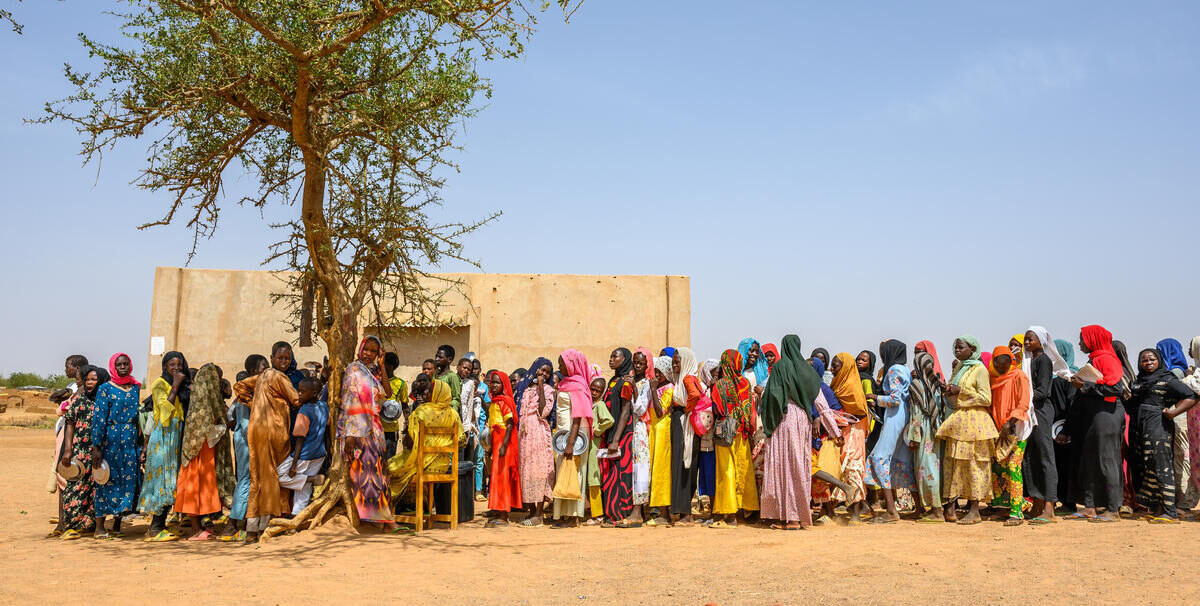
Sudan — 2.8 million refugees and asylum seekers
By the end of 2024, conflict in Sudan had triggered the world’s largest displacement crisis. Approximately 2.8 million Sudanese refugees and asylum seekers remain outside the country, and 9.1 million people are displaced internally, making Sudan the largest internal displacement crisis globally, according to UNHCR reports.
As violence continues and displacement spreads across Sudan and neighboring countries, food insecurity has reached critical levels. Even before the current escalation, about one-third of Sudan’s population struggled with daily hunger.
One of the largest humanitarian aid organizations in the country, World Vision has supported children, families, and communities in Sudan from 1983 to 1988 and again since 2004. Since April 2023, our emergency assistance programs in Sudan and the region have supported over 3.2 million people, predominantly women and children, focusing on food security, child protection, health and nutrition, and sanitation and hygiene.
Myanmar – 1.5 million refugees and asylum seekers
In Myanmar, ongoing armed violence and natural disasters, including monsoons and earthquakes, have led to widespread displacement, property damage, and heightened humanitarian needs. At the end of 2025, approximately 1.5 million refugees and asylum seekers from Myanmar remained outside the country, while millions more were displaced internally.
World Vision is actively responding to this humanitarian crisis in more than 40 townships, with plans to reach approximately 3 million people impacted by the turmoil.
For many years, but especially since 2017, people belonging to the Rohingya ethnic minority have fled Myanmar due to violence, persecution, and human rights violations, most of them crossing the border into neighboring Bangladesh. Since the beginning of the Rohingya crisis, World Vision has been delivering vital aid to children and families living in overcrowded camps in Cox’s Bazar, including food, access to clean water, sanitation facilities, shelter, and more.