
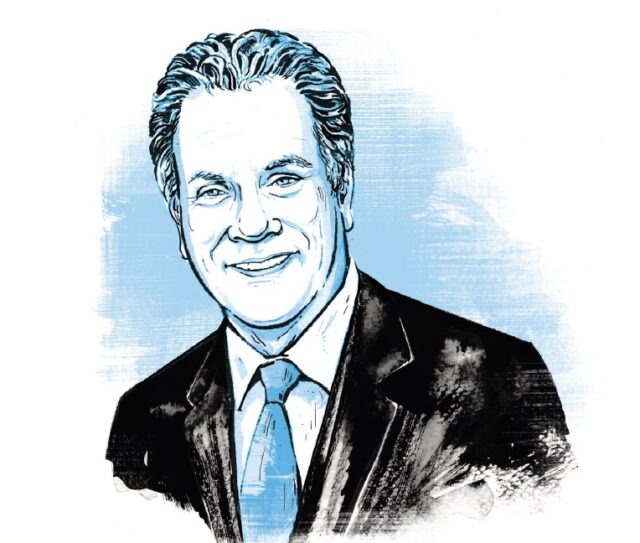
David Beasley, executive director of the World Food Programme, shares his thoughts on fighting hunger during the pandemic, the WFP being awarded the Nobel Peace Prize, and his motivation to serve.
News & Stories
News

From the Field
Democratic Republic of the Congo volcano: Facts and how to help
The threat of another volcanic eruption of Mount Nyiragongo, one of the world’s most active and dangerous volcanoes, is forcing tens of thousands of people to flee from Goma in the eastern DRC. Learn what World Vision is doing to help people affected by the volcano.
From the Field
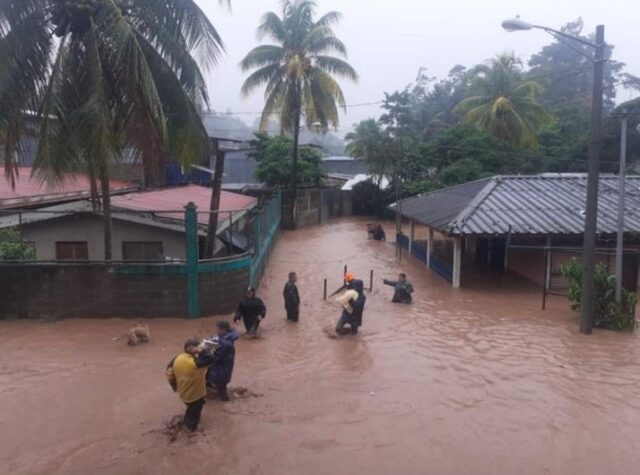
2020 Hurricane Iota: Facts, FAQs, and how to help
Learn the facts about Hurricane Iota, which made landfall in Central America as a Category 4 storm, and join us in prayer for people affected.
From the Field
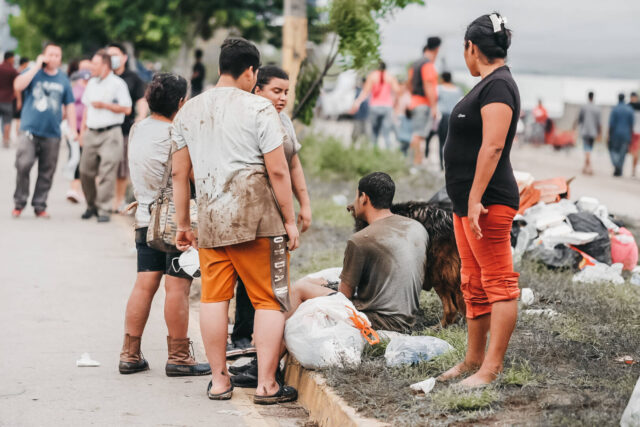
2020 Hurricane Eta: Facts and how to help
Learn the facts about Hurricane Eta, which hit Central America as a Category 4 storm, and join us in prayer for people affected.

From the Field
2020 Hurricane Laura: Facts and how to help
Learn the facts about Hurricane Laura, which hit the Gulf Coast near the Louisiana–Texas border as a Category 4 storm, and join us in prayer for people affected by the storm. More than 500,000 people were ordered to evacuate coastal areas of the two states, increasing possible exposure to COVID-19.
From the Field
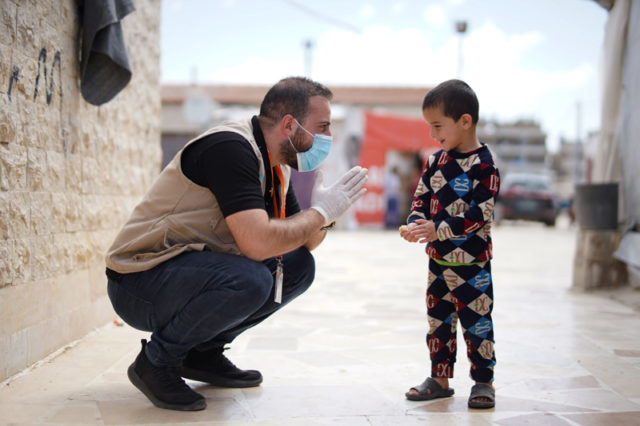
Coronavirus: United in suffering, and united in responding
As the coronavirus pandemic continues, hidden heroes arise to support World Vision’s global response, which focuses on scaling up prevention to slow the spread, strengthening healthcare systems and workers, supporting at-risk children, and collaborating and advocating for vulnerable children.
From the Field
Coronavirus response: Collaborating and advocating for vulnerable children
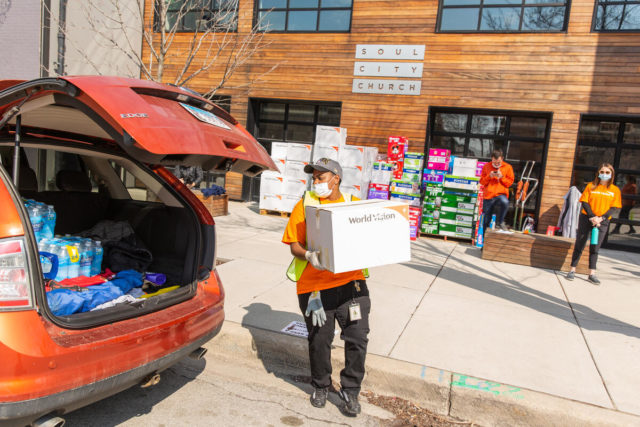
To protect the most vulnerable children from the secondary effects of COVID-19, World Vision is partnering with community groups, faith-based organizations, United Nations agencies, other aid groups, and all levels of governments. Collaboration and advocacy are not new for us, but where our community access is limited, they’re vital. That’s why they form one of four key objectives in our global coronavirus response.
From the Field
Coronavirus response: Strengthening healthcare systems and workers
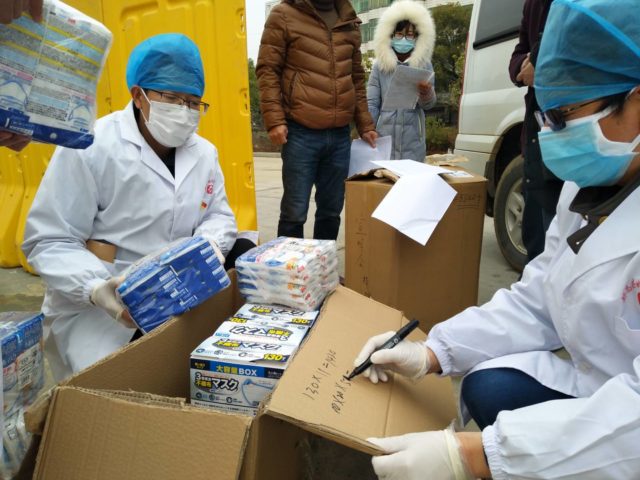
Everywhere World Vision works, a priority for us is strengthening healthcare systems and workers, with partnerships ranging from one-room health clinics to national ministries of health. It’s also one of the four key objectives of our global coronavirus response.
From the Field
Coronavirus response: Scaling up prevention to slow the spread
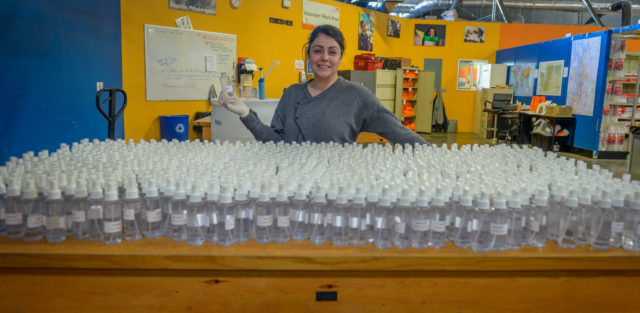
As COVID-19 began to rage in China, World Vision staff jumped into action. Decades of experience in combating infectious diseases told them that scaling up prevention would be key to protecting children and families in World Vision program areas. That’s why it’s one of the four key objectives in our global coronavirus response.
From the Field
Coronavirus response: Supporting at-risk children
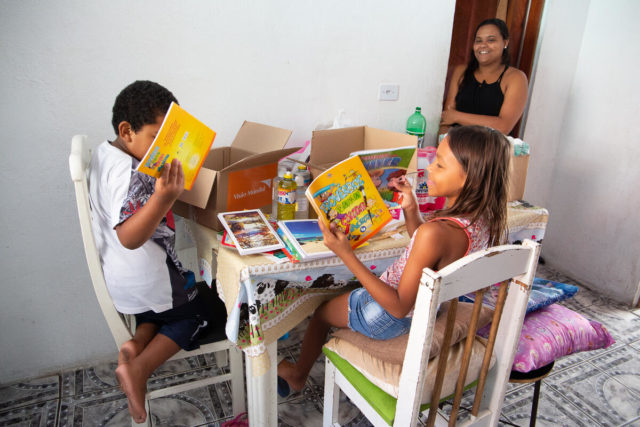
World Vision’s experience responding to disease outbreaks began in the early 2000s with the HIV and AIDS crisis in Africa. We’ve learned that infectious diseases like these put children at risk, even when they don’t get ill themselves. As COVID-19 has spread, children and families are facing new challenges: scarce food and healthcare resources, barriers to education, and lost income. That’s why supporting children impacted by the secondary effects of the pandemic is one of four key objectives of our coronavirus response.